
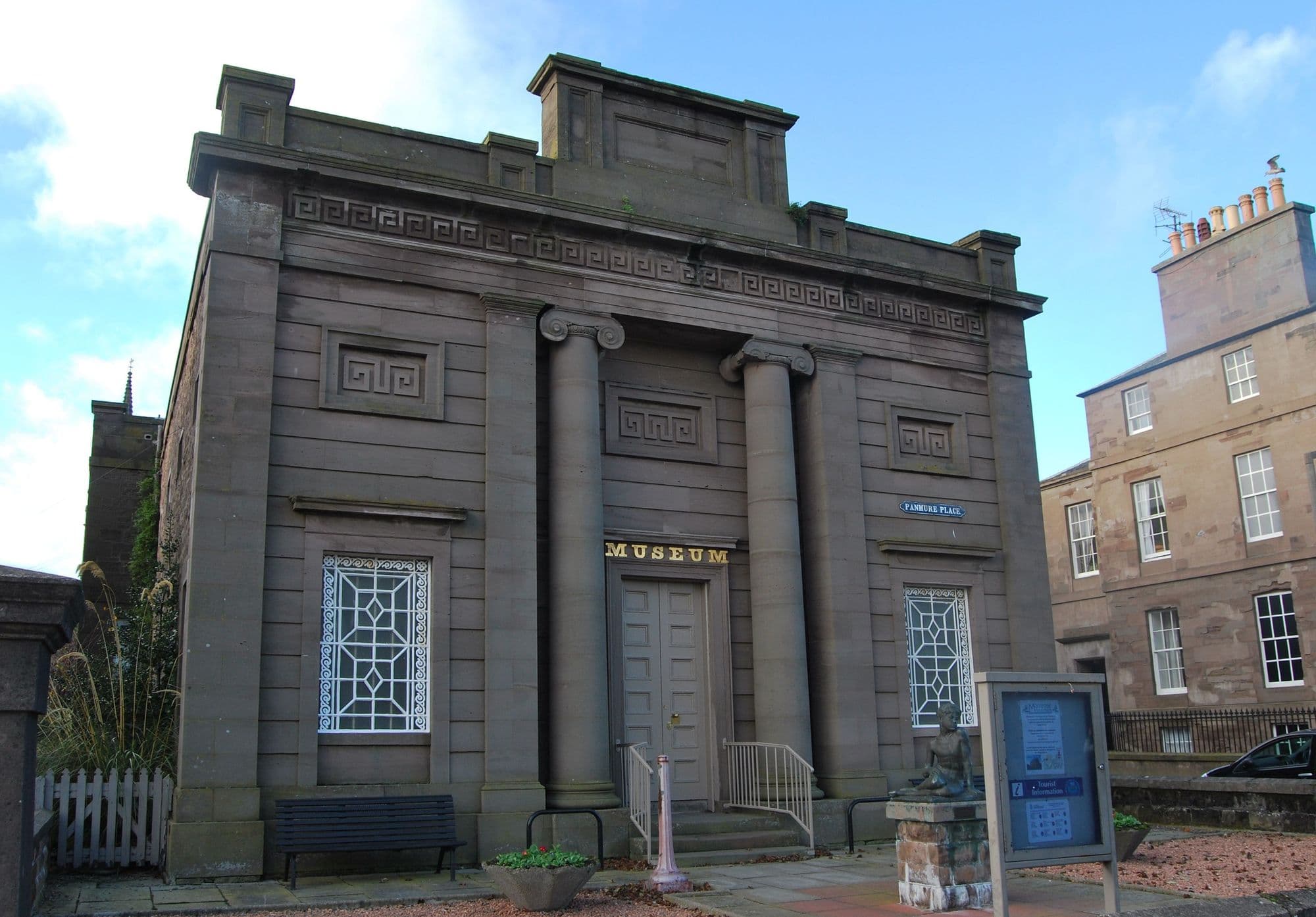
Montrose Museum is one of Scotland’s oldest purpose-built museums, located in the coastal town of Montrose in Angus. Opened in 1842, the museum has a long-standing reputation for preserving and presenting the history, culture, and natural heritage of the local area.
A Historic Museum in Angus
Housed in a neoclassical building in Panmure Place, Montrose Museum offers visitors a chance to explore the rich heritage of the region. Its collections span art, archaeology, social history, and natural sciences, providing insight into both local and national stories.
The museum has played an important role in the cultural life of Montrose for over 180 years and remains a key destination for those interested in Scotland’s history.
Collections and Highlights
Montrose Museum holds a diverse and engaging collection, including:
- Fine art and Scottish paintings
- Local archaeological finds
- Historical artefacts from Montrose and Angus
- Natural history specimens
- Objects connected to maritime and industrial heritage
One of its most notable associations is with the 18th-century naturalist James Mill, as well as the wider intellectual and cultural history of the area.
The museum’s displays reflect both everyday life and significant historical developments, offering a well-rounded view of the region’s past.
Visiting Montrose Museum
Montrose Museum is centrally located and easily accessible for visitors exploring Angus and the surrounding coastline. The museum provides a welcoming and informative environment, suitable for both casual visitors and those with a deeper interest in history and heritage.
Visitors can explore permanent displays as well as changing exhibitions throughout the year.
Why Visit Montrose Museum?
Montrose Museum offers a unique opportunity to engage with the history of Angus through carefully curated collections and historic surroundings. Whether you are interested in art, archaeology, or local heritage, the museum provides a valuable insight into the stories that have shaped the region.
Image: Russ Hamer, CC BY-SA 3.0 via Wikimedia Commons